
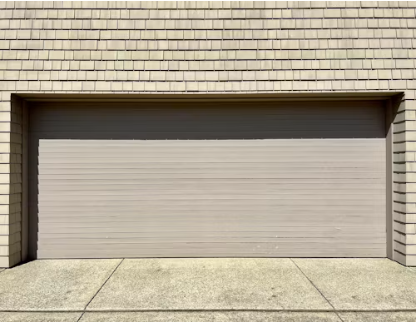
Every installation estimate you’ve given cost you something before it earned you anything.
You took the call. You drove out. You measured, looked at the opening, checked the header, talked through options with a homeowner who wanted to know about insulation and windows. Then you wrote it up and sent it.
That’s most of an hour, plus the drive, plus the fuel. Spent. Before a single dollar came back.
And then a lot of them just go quiet.
They don’t say no
This is the part that catches people out. A homeowner replacing a garage door is not going to call you and turn you down. It isn’t rudeness — it’s just how people are. They collect two or three quotes, they talk it over at the kitchen table, something else comes up, and the decision drifts.
Nobody declines. It goes quiet.
Which means “no answer” and “no” look identical from where you’re sitting, and they are not the same thing at all. One of them is still available.
Go and look at the pile
Here’s the exercise, and it takes twenty minutes.
Pull every installation and replacement estimate you gave in the last ninety days. Sort them into three piles: won, definitely lost, and never resolved.
That third pile is the one nobody looks at. In most garage door businesses it’s larger than the owner expects, and it’s the only pile where the expensive part — the drive, the measure, the conversation — is already paid for.
If you can’t produce that list at all, that’s your actual finding, and it’s a bigger one. Estimates you can’t retrieve aren’t estimates. They’re just trips you took.
Following up isn’t chasing
Owners resist this because they don’t want to be a pest. Fair enough. Nobody wants to be the company that rings twice a week.
But there’s a wide gap between chasing and staying in contact, and homeowners read them completely differently.
A message a week after the quote that says the price still stands and asks whether they had any questions isn’t pressure. It’s professional. A note a month later mentioning you’re working in their area is normal. What loses the job isn’t following up too much — it’s disappearing entirely while a competitor stays in the conversation.
In this trade the company that follows up is usually the one that gets the work. Not the cheapest. The one still there when the decision finally gets made.
Make it happen without you remembering
The reason follow-up doesn’t happen isn’t that owners don’t believe in it. It’s that following up is the thing you do when you’re not doing the work, and you are always doing the work.
So it has to run on its own. Whether that’s a CRM, a calendar reminder, or a spouse with a spreadsheet matters less than that it isn’t dependent on you thinking of it on a Thursday evening.
Start with the ninety-day list. Work it once, by hand, and see what comes back. You’ll know within a fortnight whether it’s worth systematising — and you’ll have learned it from your own numbers rather than someone else’s claim.
—






0 Comments